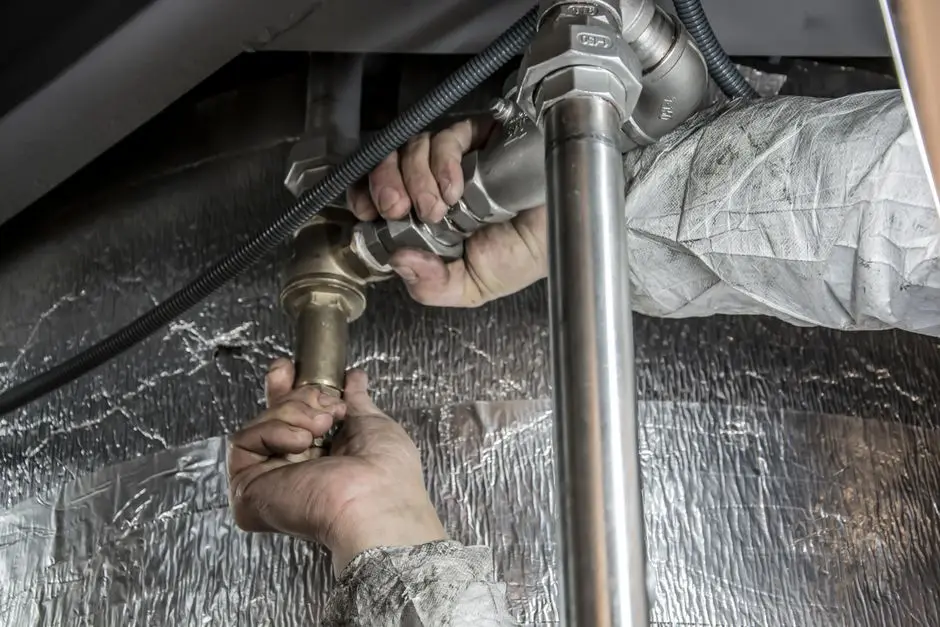
Preparing plumbing Brea summer CA homeowners need starts with three moves: pressure-test your main line, flush the water heater, and inspect every exposed pipe before temperatures climb past 95°F. Brea sits in a inland Orange County microclimate where summer afternoons regularly hit 98-104°F, and that sustained heat does real damage to plumbing that was never checked in spring. This guide walks you through exactly what to do, what it costs in 2026, and when a leak has already started behind a wall or under your slab.
Why Brea Summer Heat Stresses Your Plumbing
Brea summer heat stresses plumbing because thermal expansion pushes pipes, joints, and fittings past their designed tolerance. Water inside a pipe sitting in a 100°F attic or against a sun-baked exterior wall expands, and the pipe itself expands with it. When the sun drops and temperatures fall 30-40 degrees overnight, everything contracts. That cycle repeats daily for three to four months.
We see the results every July and August: hairline cracks at copper elbows, pinhole leaks in galvanized steel, and failed PVC joints on irrigation lines. Homes built in the 1960s and 1970s - common in the older pockets of Brea - are hit hardest because their original pipes have already been through 50+ summers of this.
Soil movement matters too. Brea's clay-heavy soil shrinks as it dries out, and that shifting can crack a slab or shear a buried water line. A slab leak that starts in June often doesn't surface as a wet spot until August, by which time the damage is done. If you suspect that's already happening, our team handles Slab Leak Detection Brea CA with acoustic and thermal equipment that pinpoints the break without tearing up your floor.
How Do I Prepare My Plumbing for Brea CA Summer Heat?
You prepare your plumbing for Brea CA summer heat by checking water pressure, insulating exposed pipes, flushing the water heater, and testing irrigation before the first 95°F day. Here's the sequence we recommend to every homeowner we work with, in the order that catches the most problems for the least money.
1. Test Your Water Pressure
Attach a $12 pressure gauge to an outdoor hose bib and run it for 24 hours. You want a reading between 40 and 60 PSI. Anything above 80 PSI - which is common in Brea during summer when municipal demand spikes - puts constant stress on every joint and supply line in the house. A pressure-reducing valve costs $150-$300 installed and is the single cheapest insurance against summer pipe failures.
2. Insulate Exposed Pipes
Any pipe running through an attic, garage, or crawl space should be wrapped in foam insulation. In a Brea attic, surface temperatures hit 130-140°F in July. Foam pipe wrap runs about $2-$4 per six-foot section at any hardware store and takes an afternoon to install. It reduces thermal expansion and keeps cold water from arriving warm.
3. Flush Your Water Heater
Sediment settles at the bottom of every tank-style water heater. Summer heat accelerates mineral buildup, which forces the burner to work harder and shortens tank life. Drain and flush the tank once a year - a 45-minute job. If your heater is past 10 years old, budget for replacement: a 50-gallon unit installed in Brea runs $1,400-$2,200 in 2026.
4. Check Every Visible Supply Line
Look under every sink, behind the washing machine, and at the refrigerator ice maker line. Braided steel supply lines last 5-8 years. If yours are older or show any rust at the fitting, replace them now. A burst supply line while you're at work can dump 500+ gallons before anyone notices.
5. Walk Your Irrigation System
Run each zone for five minutes and watch for geysers, soggy patches, or heads that don't pop up. Brea's clay soil hides small irrigation leaks until they've washed out a root system or undermined a walkway. Our Irrigation System Leak Detection Brea CA service finds breaks that don't show at the surface.
Does Summer Heat Cause Plumbing Leaks in Brea California?
Yes - summer heat directly causes plumbing leaks in Brea California through thermal expansion, soil shrinkage, and increased system pressure. It's not a theory. We respond to roughly 40% more slab and underground leak calls between June and September than in winter months.
The three mechanisms are straightforward:
- Thermal expansion and contraction: Pipes expand in 100°F heat and contract overnight. Joints and fittings fatigue over hundreds of cycles.
- Soil shrinkage: Brea's expansive clay soil loses moisture fast in summer, shifting and cracking around buried lines. A 1/8-inch shift is enough to shear a copper water main.
- Pressure spikes: Municipal water demand peaks in summer. Supply pressure can jump 15-25 PSI during high-demand hours, stressing every connection in your system.
If you've noticed a spike in your water bill, a warm spot on the floor, or the sound of running water when nothing is on, you likely have an active leak. Our Plumbing Leak Detection Brea CA technicians use electronic and acoustic equipment to locate it precisely - usually in under two hours - so repair can start the same day.
Water Heater and Irrigation Checks Before the Heat Hits
Your water heater and irrigation system take the hardest hit from Brea summer heat, and both give you warning signs weeks before they fail. Catch those signs early and you avoid the emergency call.
Water Heater Warning Signs
Listen for popping or rumbling sounds - that's sediment boiling under the burner. Check for moisture around the base of the tank. Rust-colored hot water means the anode rod is gone and the tank is corroding from the inside. Any of these means it's time for a professional look. A tank that fails catastrophically can flood a garage or closet in minutes; our Water Heater Leak Detection Brea CA service catches the problem before the tank lets go.
Irrigation System Checks
Brea's watering restrictions typically tighten in summer, which means your system runs less often but still needs to work when it does. Check for:
- Broken or misaligned sprinkler heads spraying onto pavement
- Valves that won't close fully, causing constant seepage
- Low-pressure zones that suggest a buried line break
- Dry patches that stay dry even after a full cycle
A single broken sprinkler head can waste 25,000 gallons over a summer. Fixing it costs $15 in parts. Finding a buried line break takes professional equipment - that's where we come in.
Common Mistakes We See Every Summer in Brea
The same avoidable mistakes show up on our summer calls year after year. Here's what not to do.
Ignoring a small drip. A faucet dripping once per second wastes 3,000 gallons a year and signals a worn cartridge that will eventually fail completely. Fix the cartridge now for $20; fix the flooded cabinet later for $800+.
Setting the water heater too high. Cranking it to 140°F+ to "keep up with summer demand" accelerates sediment buildup and tank corrosion. Keep it at 120°F. That's hot enough for any household use and adds years to the tank's life.
Running irrigation during the hottest part of the day. Watering at 2 PM loses 30-50% to evaporation and stresses the system when it's already hot. Water before 8 AM or after 8 PM.
Skipping the annual inspection. Most of the leaks we find in July were detectable in April with a 30-minute inspection. A professional Residential Leak Detection Brea CA visit costs $150-$350 and catches problems while they're still cheap to fix.
Using chemical drain cleaners. They generate heat as they work - the last thing a stressed pipe needs in August. Use a snake or call us instead.
When to Call a Professional
Call a professional when you see any of these: unexplained water bill increases over 15%, warm spots on floors, the sound of running water when everything is off, visible moisture on walls or ceilings, or a water heater past 10 years old showing any warning sign. Those are not DIY problems - they're signs of a leak behind a wall, under a slab, or inside a pressurized line.
Brea Leak Detection Pros finds leaks with acoustic listening equipment, thermal imaging cameras, and electronic line tracing. We locate the exact break point, tell you what repair involves, and give you a flat price before we start. No guesswork, no exploratory demolition, no surprise charges. If you're in Downtown Brea or anywhere in the 92821 or 92823 ZIP codes, we can usually be on-site the same day.
Frequently Asked Questions
How do I prepare my plumbing for Brea CA summer heat?
Test water pressure with a gauge (target 40-60 PSI), insulate exposed pipes in attic and garage spaces, flush your water heater, replace supply lines older than 8 years, and run every irrigation zone looking for breaks. Do this in April or May - before the first 95°F day - and you'll prevent most summer failures.
Does summer heat cause plumbing leaks in Brea California?
Yes. Thermal expansion and contraction fatigue pipe joints, clay soil shrinkage shifts buried lines, and municipal pressure spikes stress every connection. We see roughly 40% more slab and underground leak calls from June through September than in winter. Most of those leaks were preventable with a spring inspection.
When should I schedule plumbing maintenance in Brea CA?
Schedule it in April or early May, before summer heat arrives. A spring inspection catches pressure issues, worn supply lines, and early slab leaks while repair costs are low. If you missed spring, schedule now - a mid-summer check is still far cheaper than an emergency repair.
How much does a plumbing inspection cost in Brea?
A standard residential leak inspection in Brea runs $150-$350 in 2026, depending on home size and whether slab or underground detection is needed. Most homeowners recoup that cost immediately by catching a small leak before it damages flooring, drywall, or foundation.
What temperature should I keep my water heater in summer?
Keep it at 120°F year-round. Higher settings accelerate sediment buildup and tank corrosion without meaningful benefit. If your tank is over 10 years old and you're seeing rust-colored water or hearing popping sounds, plan for replacement before it fails.
Get Help with Leak Detection in Brea
If your Brea home is showing any sign of a summer plumbing problem - rising water bill, warm floor spots, running water sounds, or a water heater acting up - call Brea Leak Detection Pros at (657) 681-3703. We find the leak, fix it, and test the line before we leave. Same-day service across Brea and surrounding Orange County neighborhoods.