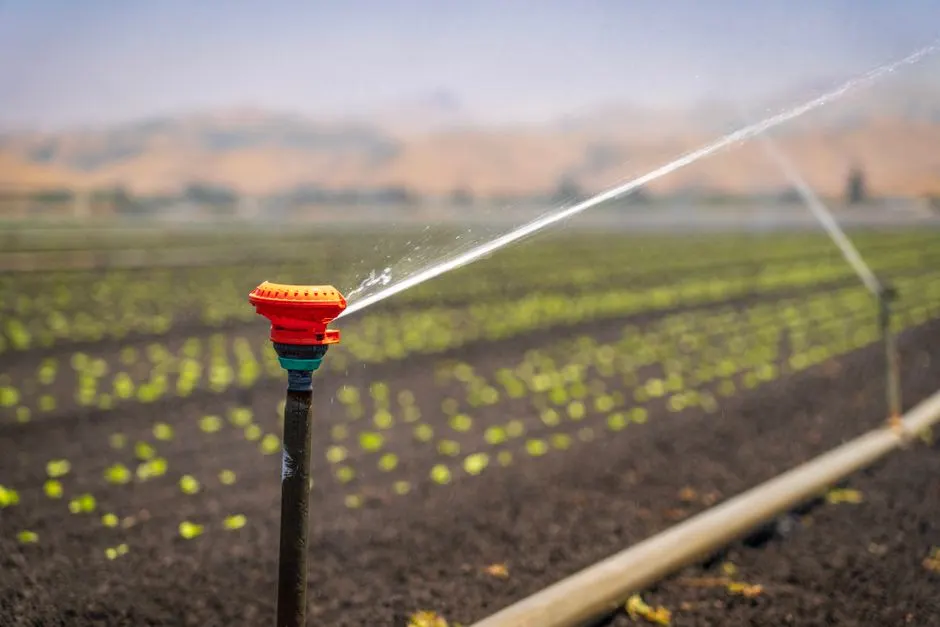
Full Zone Pressure Testing
We isolate and pressure test every irrigation zone on the property, not just the one you think is leaking. A zone that drops pressure with heads capped has a break. You get the reading for each zone in writing.
Every Brea irrigation leak detection visit includes the full diagnostic, not just a guess and a quote. Here is what you get, and what we handle as a separate repair if you approve it.
We isolate and pressure test every irrigation zone on the property, not just the one you think is leaking. A zone that drops pressure with heads capped has a break. You get the reading for each zone in writing.
Once we know which zone is failing, we walk the run with acoustic listening devices and an infrared thermometer. We mark the break location with a flag before any digging starts. That is how we keep the access hole small.
Irrigation laterals tie into the potable supply through a backflow preventer. We test the assembly while we are on site. A failing backflow device is a code issue and a health issue, and it is often mistaken for a zone leak.
We open the valve box, check each solenoid, and look at the controller schedule. A stuck valve can mimic a leak by keeping a zone pressurized. We confirm the valve is holding before we blame the pipe.
You get the zone readings, the located break, photos of the access point, and a repair quote before we dig. If you want to think about it, the detection report is yours to keep and share with any contractor.
After the repair, we re-pressurize the zone and hold it for 10 minutes. If it holds, we backfill and compact. If it does not, we keep working until it does. The final reading goes in your file.
Irrigation System Leak Detection in Brea is the process of isolating a pressurized sprinkler or drip zone, then using acoustic listening devices, pressure testing gauges, and moisture meters to pinpoint where water is escaping underground. We start at the valve box, charge each zone one at a time, and watch the gauge. A zone that loses pressure with the heads capped has a break. From there, acoustic listening devices and sounding rods narrow the break to within a foot or two, so we dig one hole instead of trenching your whole yard.
Brea yards take a beating. Clay-heavy soil in Birch Hills and Country Hills swells in winter and shrinks in summer, and that movement cracks PVC pipes and pipe fittings at the joints. Add 15 years of tree root growth and old galvanized or copper pipe laterals, and you get the classic Brea scenario: a green stripe in the lawn in July, a water bill up $80, and no visible puddle. That is when irrigation leak detection near me Brea searches turn into a phone call, and it is the call we run every week.
Five steps, one visit in most cases. Here is what you experience from the phone call to the final pressure test.
Schedule
Call or book online — a real human picks up and confirms a 2-hour arrival window.
Diagnose
Licensed tech inspects on-site, then walks you through the cause and your options.
Fix
The job is completed to code and done right the first time — no shortcuts, no surprises.
Guarantee
Every job backed by a written workmanship warranty — and we stand behind it.
Acoustic Listening Devices
We pressurize the zone and listen for the hiss of escaping water. The microphone picks up the sound through soil and concrete, which lets us narrow the break to within a foot.
FLIR Thermal Imaging Cameras
Wet soil reads cooler than dry soil on an infrared camera. We scan the irrigation run at dusk when the temperature contrast is highest, usually 8 to 12 degrees.
Pressure Testing Gauges
We charge each zone and watch the gauge. A zone that drops from 55 psi to 30 psi in 90 seconds has a break. The reading tells us which zone and how bad.
RIDGID and General Pipe Cleaners Inspection Cameras
For irrigation lines that are accessible, we run a camera to see the break directly. It confirms the pipe material and the extent of the damage before we cut.
Sewerin Tracer Gas Detectors
For low-flow drip zones where acoustic gear struggles, we introduce a tracer gas and track it to the leak point. It works where water sound is too faint to hear.
Fluke and UEi Test Instruments Moisture Meters
We use moisture meters to confirm the soil is saturated at the located spot and to check nearby areas for migration. It is how we rule out a second leak.
Sounding Rods
A simple but effective tool. We tap the ground along the run and listen for the change in tone that indicates a void or saturated soil under the surface.
Zone Isolation and Pressure Testing
We shut the main, isolate each irrigation zone, and charge it with a pressure gauge. A zone that loses pressure with heads capped has a break. This method tells us which zone is failing before we use any locating tools.
Acoustic Location
With the zone pressurized, we walk the run with acoustic listening devices. The escaping water makes a distinct hiss. We mark the loudest point, then confirm with a second method before we dig.
Thermal Scanning at Dusk
We scan the irrigation run with a FLIR thermal imaging camera after the sun goes down. Wet soil holds its temperature differently than dry soil, and the contrast is highest at night. This method works well in Brea's clay soil.
Tracer Gas Detection
For drip zones and low-flow systems, we introduce a tracer gas into the line and track it with a Sewerin detector. It finds leaks that acoustic gear cannot hear because the water flow is too low.
Post-Repair Pressure Verification
After every repair, we re-pressurize the zone and hold it for 10 minutes. If the gauge holds, the repair is good. If it drops, we keep working. The final reading goes in your file.
01
What we do: We pressure test all zones, find a cracked PVC joint under the wet corner, and repair it the same visit. The whole job takes about two hours.
→ The wet spot dries out, the zone holds pressure, and the next bill drops back to normal.
02
What we do: We run thermal imaging at dusk, locate the break, repair it, and provide a written report with before-and-after zone readings for the board.
→ The board has documentation for the repair, the lawn recovers, and the HOA avoids a water waste citation.
03
What we do: We test every zone across all four sites in one week, document each reading, and repair the three breaks we find. The report goes straight to ownership.
→ The manager has a baseline for each property and a clear repair record for the next budget cycle.
04
What we do: We isolate the drip zone, use electronic leak detection to find a failed emitter line, and repair the section. We also flush the zone to clear debris.
→ The beds get even water again, and the homeowner stops hand-watering to compensate.
05
What we do: We locate the break with acoustic gear, repair the line, and check the soil moisture near the foundation with a moisture meter.
→ The pooling stops, the foundation soil dries out, and the owner avoids a much larger foundation repair.
Brea sits on clay-heavy soil that expands when it is wet and shrinks when it dries. That cycle stresses irrigation pipe at every joint, and it is why we find so many cracked PVC fittings in Birch Hills and Country Hills. The city also enforces California Building Standards Code on irrigation work, which means backflow prevention and proper pipe materials are not optional. We pull the right materials, use PVC pipe and fittings rated for the application, and test the backflow assembly on every job. Most Brea homes were built between the 1960s and the 2000s, so we run into a mix of original galvanized laterals, retrofitted copper pipes, and newer PEX piping. Each material fails differently, and we adjust our locating method to match. If you are searching for irrigation system leak detection Brea CA near me, we are likely already working in your neighborhood this week.
Birch Hills
Older housing stock with original galvanized laterals that corrode from the inside. We often find pinhole leaks at the threaded joints.
La Floresta
Newer construction with drip irrigation and PEX piping. Drip zones need electronic leak detection because the flow is too low for acoustic gear.
Country Hills
Clay soil and mature trees. Root intrusion into PVC joints is the most common cause of irrigation leaks we find here.
Downtown Brea
Mixed commercial and residential. Commercial properties run larger systems with more zones, so we test in blocks and document each reading.
Olinda Village
Hillside properties where water migration can undermine slopes. We check soil moisture beyond the leak point to rule out slope saturation.
Clay soil that expands and contracts with the seasons
The movement cracks pipe at fittings. We see more joint failures in Brea than in sandy-soil cities nearby. Repairing with flexible couplings helps absorb the movement.
Summer irrigation schedules that run daily
Daily watering keeps the soil saturated and hides small leaks. We often find leaks in Brea that have been running for weeks because the soil never dries out enough to show a puddle.
Winter rain that masks irrigation leaks
When it rains, a leaking zone looks like normal drainage. We recommend testing zones in late fall before the rainy season so leaks do not go undetected for months.
Mature tree roots in older neighborhoods
Ficus, sycamore, and oak roots find irrigation lines and grow into the joints. In Birch Hills and Country Hills, root intrusion is the number one cause of repeat leaks.
Most Brea irrigation leaks fall into a handful of patterns. Here are the ones we see most, what happens if you leave them, and how we fix them.
Problem
A buried leak can waste 200 to 500 gallons a week before it surfaces. By the time you see a puddle, you have already paid for the water twice.
Our Fix
We pressure test each zone and listen with acoustic gear. The leak does not have to surface for us to find it. Most hidden irrigation leaks in Brea are located in under an hour.
Problem
That stripe is a shallow break feeding the soil above it. The rest of the zone loses pressure and browns out. You end up watering longer, which makes the stripe worse.
Our Fix
We isolate the zone, locate the break with thermal imaging, and repair the pipe. Then we re-balance the zone so every head sprays the same distance again.
Problem
A zone that loses pressure overnight is usually a failed valve diaphragm or a cracked pipe at a fitting. Left alone, it keeps the soil saturated and can undermine hardscape.
Our Fix
We test the valve first, then the pipe. If the diaphragm is torn, we replace it. If the pipe is cracked, we cut out the section and rebuild the joint with new PVC and fittings.
Problem
Roots find the moisture in irrigation lines and grow into the joints. The crack starts small and grows every season. In Brea, mature ficus and sycamore roots are the usual suspects.
Our Fix
We locate the cracked section, cut it out, and replace it with new pipe. Where roots are a recurring problem, we reroute the line or sleeve it so the roots cannot get back in.
Problem
A failing backflow preventer is a code violation and a contamination risk. It can also drop pressure to the whole irrigation system, which looks like a leak in every zone.
Our Fix
We test the assembly, identify the failed check or relief valve, and repair or replace it. We hold Backflow Prevention Certification, so the repair is done to code and ready for the annual test.
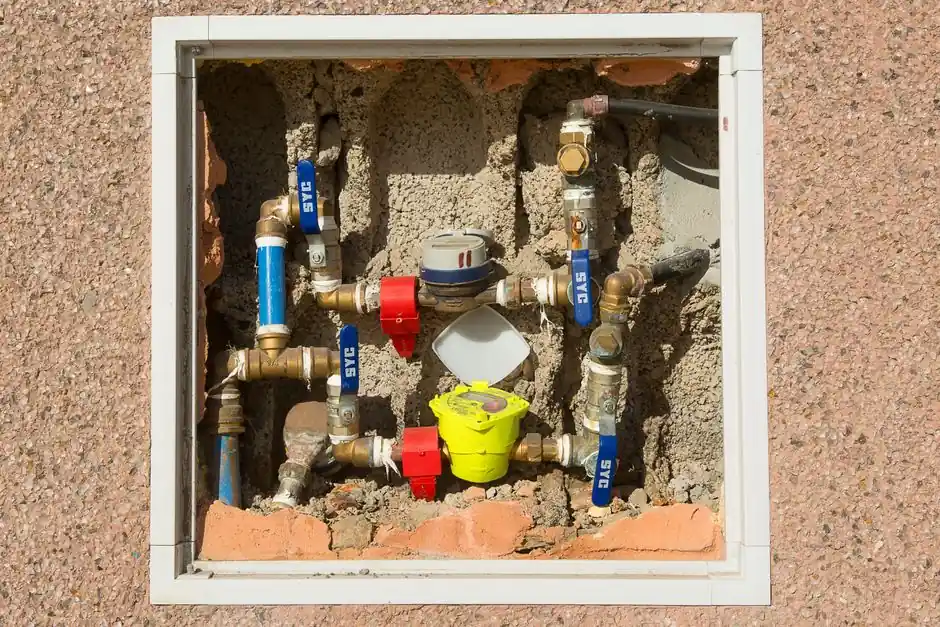
A leaking irrigation zone can waste hundreds of gallons a week and quietly undermine soil, hardscape, and foundations. These are the four outcomes our Brea customers care about most.
Stop the Water Bill Bleed
A single pinhole leak in a drip line can waste 200 to 500 gallons a week. We locate it, repair it, and re-test the zone the same visit, so your next Brea water bill reflects the fix instead of the leak.
Protect Foundations and Hardscape
Water that escapes an irrigation line migrates. In Brea Hills and Olinda Village, we have seen it soften soil under driveways and pool decks. Finding the break early keeps a $300 repair from becoming a $6,000 slab or hardscape job.
Save the Landscape
Leaks starve the rest of the zone. One broken head drops pressure and the far end of the lawn browns out. We restore even coverage, so your Bermuda or fescue gets the water you are already paying for.
Pass a Brea Water Audit
Commercial properties and HOAs in La Floresta and Lambert Ranch get pressure from the city and their own boards to cut irrigation waste. Our reports document the leak, the repair, and the post-repair flow reading, which is exactly what an EPA WaterSense audit wants to see.
Google ★★★★★4.9
Found a leak under our lawn in Country Hills that two other companies missed. They used a thermal camera and had the spot marked in 20 minutes. Repair was clean and the zone holds pressure. Water bill is back to normal.
Yelp ★★★★★4.8
We manage several properties in Brea and these guys are our go-to for irrigation issues. They document everything, show up when they say they will, and the repairs hold. Highly recommend for commercial work.
BBB ★★★★★4.9
Called on a Saturday when a zone would not shut off. They had a tech out within two hours, shut the system down, and came back Monday to repair the valve. Fair price and no upsell.
Google ★★★★★5.0
HOA board hired them to find a leak in our common area. They provided a written report with zone readings that we used for our records. Professional and thorough. We have them on retainer now.
Real experiences from customers who chose our Irrigation System Leak Detection services.
“My water bill jumped $90 in one cycle and I could not find anything wet. Brea Leak Detection Pros tested all six zones, found a cracked PVC joint under the lawn in about 20 minutes, and had it repaired the same afternoon. They showed me the pressure reading before and after. Two months later the bill is back to normal.”
Marcus T.
Homeowner, Country Hills
“We had a green stripe running through one of our common area lawns for weeks. Their tech used a thermal camera at dusk and marked the spot within a foot. The repair was clean, they backfilled and re-sodded, and they gave us a written report with zone readings. Our board approved them for future work on the spot.”
Sandra R.
HOA Board Member, La Floresta
“I manage four commercial properties in Brea and irrigation leaks were eating my water budget. They tested every zone across all four sites, documented the readings, and repaired three breaks in one week. The reports are clean enough to send straight to ownership. I have not called anyone else since.”
David K.
Property Manager, Downtown Brea
Real answers to the questions we hear most often from local homeowners and property managers.
When water shows up inside the house instead of the yard, the irrigation line is usually not the culprit. We use the same acoustic and thermal gear to find slab leaks under Brea homes, then repair the line without breaking the whole floor.
View Slab Leak DetectionBrea yards with pools often have irrigation running right up to the deck. If you are losing water and cannot tell whether it is the pool or the sprinklers, we test both. Dye testing and pressure isolation separate the two in under an hour.
View Pool Leak DetectionIrrigation laterals tie into the main water line. A pressure drop you blame on sprinklers can actually be a plumbing leak inside the wall or under the slab. We test the whole system so you fix the right thing the first time.
View Plumbing Leak DetectionBrea properties with outdoor gas lines for pool heaters, fire pits, or BBQ islands need the same locating discipline as irrigation. We use tracer gas detectors and pressure gauges to find outdoor gas leaks without digging up hardscape.
View Gas Leak DetectionAcoustic listening devices are the core tool for irrigation work. We use them on pressurized zones to hear the hiss of escaping water, then confirm with a second method. It is how we locate a break within a foot before we dig.
View Acoustic Leak DetectionWet soil reads cooler than dry soil on an infrared camera. In Brea, that difference is often 8 to 12 degrees after the sun goes down. We scan the run at night when the contrast is highest, then mark the spot.
View Thermal Imaging Leak DetectionCall (657) 681-3703 any time, day or night. A live dispatcher answers, asks a few questions about what you are seeing or smelling, and gets a tech headed your way. Most Brea calls get a same-day window, and emergency calls roll 24/7. You can also email [email protected] and we will respond within one business hour during regular hours.
Phone
(657) 681-3703Address
200 Fig Ave, Brea, CA 92821, USA
Hours
Monday–Sunday: 7 Days a Week
Open 24 Hours
Same-Day Service
24/7 Emergency Available