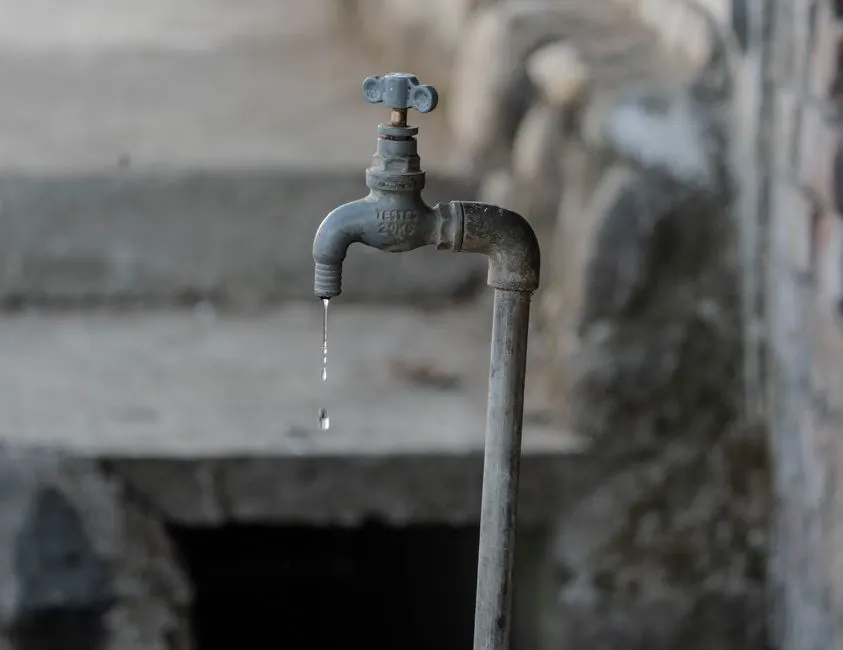
Full main line pressure test
We isolate the main from the house plumbing and pressurize it to confirm the leak is on the main, not a slab leak, irrigation leak, or fixture. This step alone rules out half the false alarms we get called for.
Every detection visit covers the full main line from the meter to the house entry point, plus a written finding you can use for insurance or a second opinion. Repair work is quoted separately once you see the evidence, and we credit part of the detection fee if you approve the repair the same day.
We isolate the main from the house plumbing and pressurize it to confirm the leak is on the main, not a slab leak, irrigation leak, or fixture. This step alone rules out half the false alarms we get called for.
Acoustic listening devices and a FLIR thermal imaging camera sweep the full run of the line. We cross-check both readings so the leak location is confirmed by two independent methods before we mark the ground.
We paint and flag the leak location, measure the depth, and photograph the pipe material. You see exactly where the break is and what it will take to reach it before you approve any repair.
You get a one-page summary with the leak location, pipe material, depth, and a repair range. If a spot repair will hold, we say so. If the line is too far gone, we tell you that too, with the reasoning.
After any repair, we refill, pressure-test to 80 psi, and confirm the meter is still with every fixture off. You get a dry line and a documented test result, not just a handshake.
Water Main Leak Detection in Brea is the process of finding exactly where the pipe between your meter and your home is losing water, without tearing up half your yard to do it. We pressurize the line, listen for the leak with acoustic listening devices, scan the ground with thermal imaging cameras, and confirm the spot with pressure testing gauges. Once we know the depth and location, we give you a straight answer on repair options the same day.
Brea sits on a mix of 1960s copper, older galvanized steel, and newer PEX piping, and the clay-heavy soil around Orange County shifts with every wet winter and dry summer. That movement cracks pipe joints and opens pinhole leaks in copper mains. If your water bill jumped 30 percent with no change in habits, or you hear water running when every fixture is off, call us for Brea CA water main leak detection before the leak undermines your slab or driveway.
Five steps, no guesswork, no surprise charges. Here is exactly what happens from the moment you call until the line is dry and tested.
Schedule
Call or book online — a real human picks up and confirms a 2-hour arrival window.
Diagnose
Licensed tech inspects on-site, then walks you through the cause and your options.
Fix
The job is completed to code and done right the first time — no shortcuts, no surprises.
Guarantee
Every job backed by a written workmanship warranty — and we stand behind it.
Sewerin acoustic listening devices
Pick up the sound of pressurized water escaping a buried pipe. We use these as the primary detection method on Brea main lines because they pinpoint the break within inches.
FLIR thermal imaging cameras
Show surface temperature differences caused by escaping water. We cross-check every acoustic reading with thermal imaging to confirm the leak location before digging.
RIDGID pipe inspection cameras
Let us see inside the pipe to confirm cracks, joint failures, and root intrusion. Useful when the leak is on a deep main or a line with multiple suspected breaks.
Fluke and UEi Test Instruments pressure gauges
Measure line pressure before and after repair. We test to 80 psi before backfill so the repair is verified, not assumed.
Tracer gas detectors
Introduce a safe tracer gas into the line and detect where it escapes. This method works on deep mains and lines under concrete where acoustic gear struggles.
Milwaukee and Bosch inspection tools
Cut, excavate, and prep the repair zone. We keep the trench as small as possible to protect landscaping, driveways, and irrigation lines.
Moisture meters and infrared thermometers
Confirm interior moisture readings when a main line leak is also affecting walls or flooring. Helps separate a main line issue from a slab leak or hidden leak.
Pressure isolation testing
We shut off the main at the meter, isolate the house plumbing, and pressurize the main line separately. If the pressure drops, the leak is on the main. This step rules out slab leaks, irrigation leaks, and fixture leaks before we commit to a detection sweep.
Acoustic correlation
Two acoustic sensors are placed on the line at set distances, and the time difference between the sounds they pick up calculates the leak location. This is the most accurate method for pinpointing a break on a copper or PEX main under Brea soil.
Tracer gas injection
A safe gas mixture is injected into the isolated main, and a detector sweeps the ground above. Where the gas escapes, the leak is. We use this on deep mains, lines under concrete, and any run where acoustic readings are ambiguous.
Thermal cross-verification
After acoustic or tracer gas detection, we scan the same area with a FLIR thermal imaging camera. Escaping water changes the surface temperature, so a confirmed thermal reading gives us two independent confirmations of the same leak point.
Post-repair pressure test
Every repair gets pressure-tested to 80 psi for a minimum of 15 minutes before backfill. We also verify the meter is still with all fixtures off. If either test fails, we re-open the trench and fix it before we leave.
01
What we do: We pressure-test the main, sweep it with acoustic listening devices, and confirm the break with a FLIR camera. The leak is usually a joint failure where the copper meets the meter fitting.
→ Spot repair the same day, pressure-tested to 80 psi, and the wet spot dries out within a week. Typical cost runs $650 to $1,200 including the detection fee.
02
What we do: We run the 24/7 emergency line, isolate the main over the phone, and dispatch a tech with ultrasonic leak detectors and tracer gas gear. The leak is on a PEX fitting under the side yard.
→ Line isolated the same night, repair completed the next morning, and the following bill drops back to the normal range.
03
What we do: We work after hours to avoid disrupting business, use pipe inspection cameras and pressure testing gauges to locate the break, and pull the permit for the repair.
→ Repair completed overnight, parking lot reopened the next morning, and the property manager gets documentation for the insurance claim.
04
What we do: We run a full detection sweep with acoustic and thermal gear, document the findings, and confirm whether the leak is real or a false positive from irrigation.
→ Clear written finding the same day. If a repair is needed, we complete it before escrow closes so the sale is not delayed.
Brea sits on clay-heavy soil that expands when it is wet and shrinks when it is dry, and that cycle is hard on buried pipe. The city gets most of its rain between November and March, so we see a spike in main line calls right after the first big storm of the season, when saturated soil shifts and opens joints that were already stressed. Summer is the opposite problem: dry soil pulls away from the pipe, and a small pinhole leak turns into a visible wet spot fast. Homes built in the 1960s and 1970s, especially in Birch Hills and Country Hills, mostly have original copper mains that pinhole at the joints. Newer builds in La Floresta and Lambert Ranch use PEX, which tends to fail at fittings rather than mid-pipe. We match our detection method to the pipe material and the neighborhood, which is why we can usually pinpoint a leak in one visit. If you are searching for water main leak detection Brea CA near me, we cover every ZIP code in the city, including 92821, 92823, and 92822.
Birch Hills
Mostly 1960s and 1970s homes with original copper mains. Joint failures and pinhole leaks are the most common calls we get here, especially after the first winter storm.
Country Hills
Larger lots with long main line runs from the meter to the house. Longer runs mean more joints, and more joints mean more places for a leak to start.
La Floresta
Newer construction with PEX mains. Failures here are usually at fittings and manifolds rather than mid-pipe, which changes how we approach the repair.
Downtown Brea
Mix of older commercial and residential buildings with mains running under sidewalks and parking areas. We use tracer gas and thermal imaging here because acoustic readings are noisier.
Olinda Ranch
Elevated terrain with more soil movement than the flats. We see more joint stress and pipe shifting here, which shows up as recurring leaks on the same line.
Clay-heavy soil that expands and contracts with the seasons
The movement stresses pipe joints and can crack rigid copper or PVC. Most Brea main line leaks we find start at a joint rather than mid-pipe, which is why pressure isolation testing is our first step.
First winter storm after a dry summer
Saturated soil shifts and opens joints that were already stressed. We see a 40 to 50 percent spike in main line calls in the two weeks after the first big rain of the season.
Summer soil drying and pulling away from the pipe
Dry soil removes support and lets the pipe flex. A pinhole leak that was seeping slowly in spring can turn into a visible wet spot or a sinkhole by August.
Mixed pipe stock across older and newer neighborhoods
Copper, galvanized steel, and PEX all have different failure modes. We match the detection method and the repair material to what is actually in the ground, which is why we photograph the pipe before quoting.
Most Brea main line calls come down to five problems. Here is what each one looks like, what happens if you wait, and how we fix it.
Problem
A pinhole leak on a copper main can waste 200 to 500 gallons a day, which adds $80 to $200 a month to your bill and slowly erodes the soil under your driveway.
Our Fix
We pressure-test the main, sweep it with acoustic gear, and pinpoint the leak within 12 to 18 inches. Most pinhole leaks get a spot repair the same day, and your next bill drops back to normal.
Problem
Constant moisture kills sod, attracts roots into the pipe, and can undermine a driveway or patio slab. Left alone for a season, a small leak becomes a sinkhole.
Our Fix
We isolate the main from irrigation and pool lines, confirm the source with thermal imaging, and mark the dig zone. One small trench, one repair, and the yard goes back to normal.
Problem
Water wicking up through concrete means the leak is close to the slab. That is when foundation leaks, sticking doors, and stucco cracks start showing up.
Our Fix
We map the leak against your foundation footprint and check for slab leaks at the same time. If the main is the source, we repair it and pressure-test before backfill so the soil can dry out.
Problem
That sound is pressurized water escaping a pipe. It usually means a joint failure or a crack that will get bigger with every pressure cycle.
Our Fix
We shut off the main, isolate the line, and use ultrasonic leak detectors to find the exact break point. Most joint failures on Brea mains are repairable the same day with new pipe fittings and clamps.
Problem
A spinning meter with the house isolated confirms a main line leak. Every hour you wait adds to the water bill and the damage underneath.
Our Fix
We confirm the leak with a pressure test, locate it with acoustic and thermal gear, and give you a repair quote on the spot. Emergency calls get a tech on site within the hour.
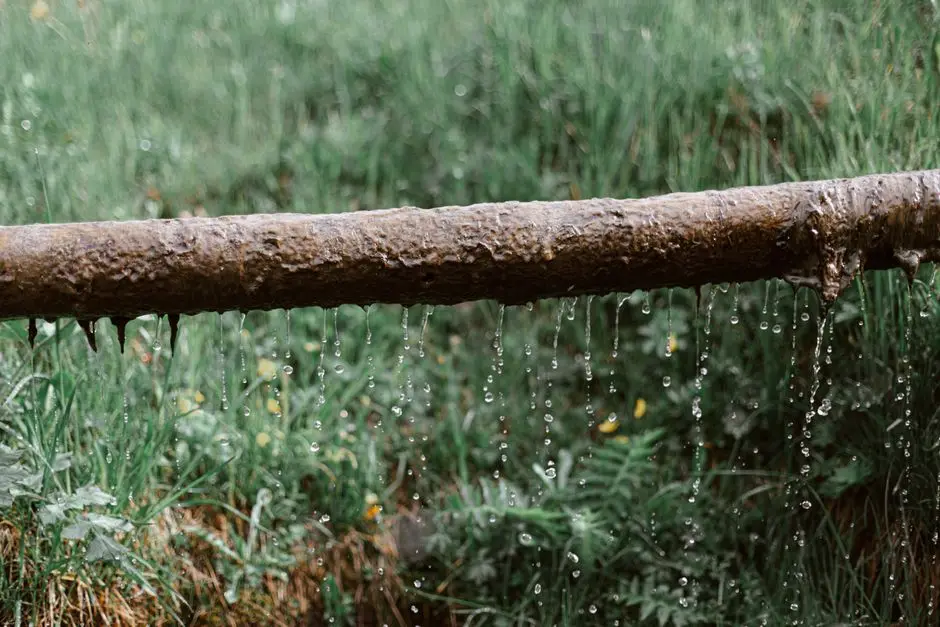
A main line leak wastes hundreds of gallons a day and quietly damages the most expensive parts of your property. Here is what you get when you book us instead of guessing.
Non-invasive pinpointing
We locate the break within 12 to 18 inches before anyone digs. Acoustic listening devices, tracer gas detectors, and pipe inspection cameras mean we open one small trench instead of trenching your whole yard, which saves you thousands in concrete and landscaping.
Same-day leak answers
Most water main leak detection near me Brea calls get a firm diagnosis the same day you call. We arrive with electronic leak detection equipment already calibrated, run the tests, and hand you a written finding with the leak depth, pipe material, and repair scope.
Emergency response, 24/7
Water main breaks do not wait for business hours. Our 24/7 water main leak repair in Brea California line is staffed every night and weekend, and we can shut off and isolate the line so you are not watching your driveway flood at 2 a.m.
Repairs that pass inspection
Every repair follows the Uniform Plumbing Code and California Building Standards Code, using copper pipes, PEX piping, or PVC pipes matched to your existing main. We pressure-test the line before we backfill, so the fix holds and your permit closes without a callback.
Google ★★★★★4.9
Found our main line leak in under an hour when two other companies wanted to replace the whole line. Showed us the acoustic reading and the thermal image before quoting. Repair was done the same day and the yard is dry. Fair price, no upsell.
Yelp ★★★★★4.8
Called the 24/7 line at 11 p.m. with water flooding our parking area. Tech was on site in under an hour, isolated the line, and had a repair plan by morning. Professional, licensed, and they handled the permit. Highly recommend for commercial work.
BBB ★★★★★4.9
We had a wet spot in the yard for months and a water bill that kept climbing. They pressure-tested the main, found a single failed joint, and repaired it for a fraction of what a full replacement would have cost. Honest work and clear pricing.
Google ★★★★★5.0
Selling our house and the inspection flagged a possible main line leak. They came out same day, ran a full detection sweep, and confirmed it was a false positive from irrigation. Saved us from a repair we did not need. Straight shooters.
Brea Leak Detection Pros has been locating and repairing water main leaks since 2011, and we have worked on just about every pipe material and soil condition Orange County can throw at a main line. Our technicians hold California State Plumbing License credentials, including C-36 Plumbing Contractor License coverage, and we keep current on Uniform Plumbing Code and California Building Standards Code updates. We run Fluke and UEi Test Instruments meters, Sewerin acoustic gear, and Milwaukee and Bosch inspection tools, so the diagnosis you get is based on readings, not guesses.
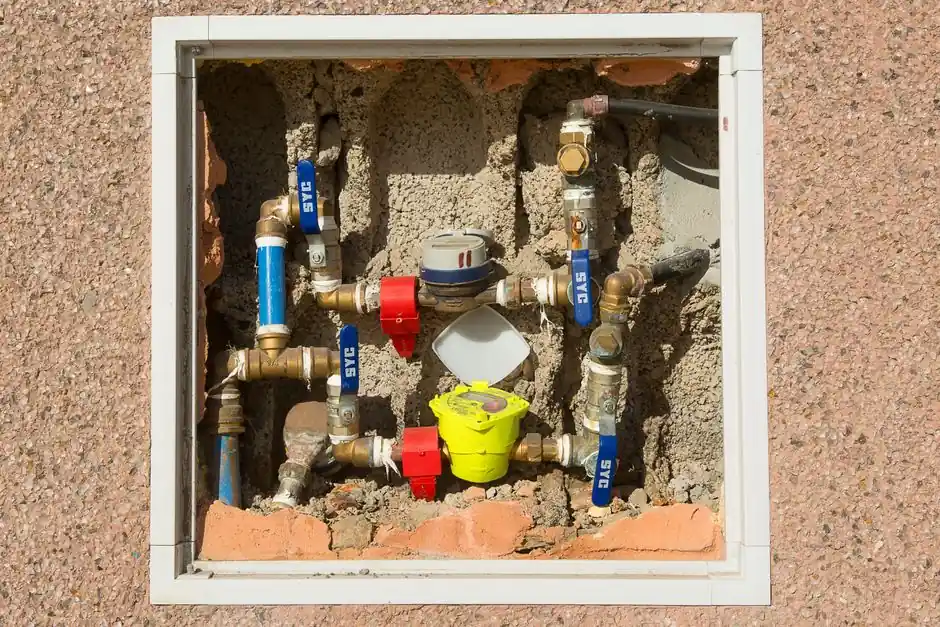
Real experiences from customers who chose our Water Main Leak Detection services.
“Our water bill doubled in one month and I could hear water running at night. Brea Leak Detection Pros came out the same day, used acoustic gear and a thermal camera, and found the break 14 inches from where I would have dug. They had it repaired and pressure-tested before dinner. No trenching across the yard, just one small hole.”
Marcus T.
Homeowner, Country Hills
“We had a wet patch in the side yard that never dried out, even in summer. Two other companies wanted to replace the whole main. These guys ran pressure tests and found a single failed joint on the PEX line. Spot repair, half the price, and the yard is dry. They showed me the camera footage before quoting.”
Priya S.
Homeowner, La Floresta
“A main line break at one of our commercial buildings was flooding the parking area at 11 p.m. I called the 24/7 line and a tech was on site in under an hour. He isolated the line, stopped the water, and came back the next morning with a repair plan. Clean work, permit handled, no tenant complaints.”
Danny R.
Property Manager, Downtown Brea
Real answers to the questions we hear most often from local homeowners and property managers.
A main line leak and a slab leak can look identical on your water bill. We use acoustic listening devices and thermal imaging cameras to tell them apart before anyone breaks concrete, which saves Brea homeowners thousands in unnecessary demolition.
View Slab Leak DetectionBrea homes with pools often lose water to a main line break and a pool shell leak at the same time. We isolate the pool plumbing from the main, test each separately, and confirm which system is actually losing water before you spend on repairs.
View Pool Leak DetectionWhen the leak is inside the house rather than on the main, our plumbing leak detection covers supply lines, drain lines, and fixture connections. We use moisture meters and pipe inspection cameras to trace the source without opening walls.
View Plumbing Leak DetectionWe run the same tracer gas detectors and Sewerin equipment on gas lines that we use on water mains. If you smell gas near the meter or hear hissing by the main shutoff, call us and we will isolate and test the line.
View Gas Leak DetectionAcoustic listening devices pick up the sound of pressurized water escaping a pipe, even three feet underground. This is the primary method we use on Brea main lines because it pinpoints the break within inches before we dig.
View Acoustic Leak DetectionA FLIR thermal imaging camera shows temperature differences on the ground surface caused by escaping water. We cross-check every acoustic reading with thermal imaging so the leak location is confirmed by two independent methods.
View Thermal Imaging Leak DetectionCall (657) 681-3703 any time, day or night. A live dispatcher answers, asks a few questions about what you are seeing or smelling, and gets a tech headed your way. Most Brea calls get a same-day window, and emergency calls roll 24/7. You can also email [email protected] and we will respond within one business hour during regular hours.
Phone
(657) 681-3703Address
200 Fig Ave, Brea, CA 92821, USA
Hours
Monday–Sunday: 7 Days a Week
Open 24 Hours
Same-Day Service
24/7 Emergency Available