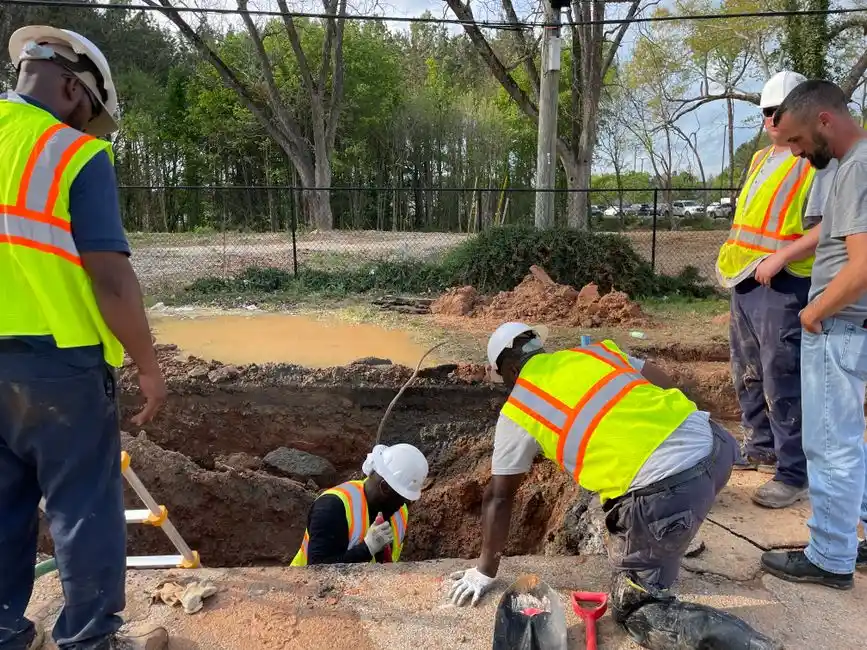
Full meter and pressure test
We shut off every fixture, watch the meter and pressure test the main to confirm there is a leak and identify whether it is on the supply or drain side. This step alone rules out false alarms.
Every detection visit covers the full diagnostic process from meter test to marked location. Repair is quoted separately so you can decide whether to use us or your own plumber. Here is what is included in a standard visit.
We shut off every fixture, watch the meter and pressure test the main to confirm there is a leak and identify whether it is on the supply or drain side. This step alone rules out false alarms.
We walk the property with acoustic listening devices and a FLIR thermal imaging camera to narrow the leak to a specific area. You see the marked spot before we open anything.
You get a clear summary of what we found, where it is and what the repair will cost. No obligation to proceed. If you want a second opinion, take the findings to anyone you like.
We identify whether your line is copper, PEX, PVC or something older, because the repair method depends on it. That detail goes in the findings so there are no surprises on repair day.
If you want us to fix it while we are there, we carry the fittings, solder, Teflon tape and epoxy putty to handle most repairs on the spot. Same visit, one invoice, no second trip.
Underground Leak Detection in Brea is the process of finding water or gas escaping from pipes buried under your slab, lawn or driveway without tearing up the whole property to do it. We start with a meter and pressure test, then use acoustic listening devices, ultrasonic leak detectors and thermal imaging cameras to narrow the break to within a foot or two. Once we know exactly where it is, we open the smallest possible area and make the repair.
Brea sits on a mix of older copper and newer PEX piping, and the clay-heavy soil around Orange County shifts with our dry summers and winter rains. That movement stresses pipe joints, and slab leaks, pinhole leaks and irrigation leaks follow. If you have been searching for underground leak detection near me Brea and getting nothing but guesswork, we do this every week in 92821, 92823 and 92822.
Every job follows the same five steps. You will know what is happening and what it costs at each stage, and we do not move to the next step until you are ready.
Schedule
Call or book online — a real human picks up and confirms a 2-hour arrival window.
Diagnose
Licensed tech inspects on-site, then walks you through the cause and your options.
Fix
The job is completed to code and done right the first time — no shortcuts, no surprises.
Guarantee
Every job backed by a written workmanship warranty — and we stand behind it.
Acoustic listening devices
Pick up the sound pressurized water makes as it escapes a pipe. First tool we reach for on most underground leaks.
FLIR thermal imaging cameras
Show temperature differences on the surface above a leak. Warm water shows as a hot spot, cold water as a cool one.
Sewerin electronic leak detection equipment
Amplifies and filters leak sounds so we can hear through concrete, tile and packed soil.
RIDGID pipe inspection cameras
Push through a line to visually confirm cracks, root intrusion and joint failures from the inside.
Pressure testing gauges
Confirm whether the leak is on the supply side or the drain side and verify the repair holds before we leave.
Tracer gas detectors
Used on stubborn leaks and gas lines where acoustic and thermal gear cannot get a clear reading.
Moisture meters and infrared thermometers
Measure surface moisture and temperature to confirm the leak path and check for hidden moisture after repair.
Meter and pressure isolation
We shut off every fixture, watch the meter and pressure test the main. This confirms there is a leak and tells us whether it is on the supply or drain side before we bring out the acoustic gear.
Acoustic pinpointing
We walk the property with listening devices, moving in a grid until the sound peaks. That peak is the leak. We mark it with paint so you can see the spot before we open anything.
Thermal correlation
A FLIR camera shows the temperature signature of water under a slab or lawn. We cross-reference the thermal image with the acoustic reading to confirm the location to within a foot or two.
Tracer gas testing
For gas lines and stubborn water leaks, we introduce a safe tracer gas into the line and use a detector to find where it escapes. It is the most accurate method for deep or noisy locations.
Post-repair pressure verification
After every repair we pressure test the line again and re-check the meter. If it does not hold, we do not leave. That is how we know the fix is real.
01
What we do: We run a meter and pressure test, then scan with acoustic and thermal gear to find the leak. Most jobs are pinpointed in two to four hours and repaired the same day.
→ You get a fixed line, a verified meter and a water bill that goes back to normal.
02
What we do: We use a FLIR thermal imaging camera and acoustic listening devices to locate the line, then open the smallest possible section and repair it.
→ The leak is fixed with minimal concrete removal and the floor is patched clean.
03
What we do: We pressure test the irrigation zones and water main, trace the break with electronic leak detection equipment and repair the line.
→ The soil dries out, your landscaping recovers and you stop wasting water.
04
What we do: We use tracer gas detectors and pressure testing to locate the leak, then repair the line to code. This is a call-now situation, not a wait-and-see.
→ The gas line is sealed, tested and safe, and the utility company signs off on the repair.
05
What we do: We run a full detection scan and provide written findings you can hand to the buyer, seller or agent. Fast turnaround for escrow timelines.
→ You get a clear answer on whether there is a leak and what it costs to fix, so the deal can move forward.
Brea sits on clay-heavy soil that expands and contracts with our dry summers and winter rains, and that movement is hard on buried pipes. Older neighborhoods like Central Brea and Brea Hills have original copper that develops pinhole leaks. Newer builds in La Floresta and Lambert Ranch use PEX, which fails more often at fittings than in the pipe itself. We adjust our detection approach based on what we know is in the ground. In November, as the rains return, we see a spike in irrigation and water main leaks as saturated soil shifts. Summer brings slab leaks from heat-driven expansion. If you need 24/7 underground leak repair in Brea California, we run emergency calls year-round and can usually be on site within the hour.
Downtown Brea
Older commercial and residential buildings with original copper lines. Pinhole leaks and slab leaks are common in the older housing stock.
La Floresta
Newer construction with PEX piping. Most leaks we find here are at fittings and manifolds rather than in the pipe itself.
Country Hills
Hilly terrain with irrigation lines running down slopes. Pressure changes at the bottom of the hill cause lateral breaks.
Birch Hills
Established neighborhood with mature trees. Root intrusion into sewer and water lines is a recurring issue.
Olinda Village
Larger lots with long water main runs. Leaks here can go undetected for months because the line is so long.
Clay soil that expands and contracts
Soil movement stresses pipe joints and causes slab leaks and main line breaks, especially after the first winter rains.
Hot, dry summers
Heat drives irrigation demand and thermal expansion in buried lines, which is when pinhole leaks and irrigation breaks show up.
Mixed pipe materials across neighborhoods
Older copper and newer PEX fail differently, so we identify the material before we choose a detection method and repair approach.
Mature trees near sewer and water lines
Roots find cracks and joints and widen them over time. Camera inspection is often needed to confirm the extent of the damage.
Most underground leaks start small and get expensive fast. Here are the problems we see most often in Brea and how we handle them.
Problem
A hidden pinhole or slab leak can waste 10,000 gallons a month and cost you hundreds before you notice anything wet.
Our Fix
We run a meter test and acoustic scan to find the source, then repair it. Most customers see their bill return to normal within one billing cycle.
Problem
A warm spot usually means a hot water line is leaking under the slab. Left alone, it can undermine the foundation and crack tile.
Our Fix
We use thermal imaging and acoustic gear to pinpoint the line, open a small section and repair the copper or PEX. Most slab repairs finish the same day.
Problem
An irrigation or water main leak keeps the soil saturated, kills grass and can wash out soil under a driveway or walkway.
Our Fix
We pressure test each zone, trace the break with electronic gear and repair the line. We backfill and restore the surface before we leave.
Problem
Water under a slab softens soil and causes foundation movement. Cracks, sticking doors and musty odors are early warning signs.
Our Fix
We detect the leak, repair the source and confirm the soil is drying out. Catching it early avoids a five-figure foundation repair.
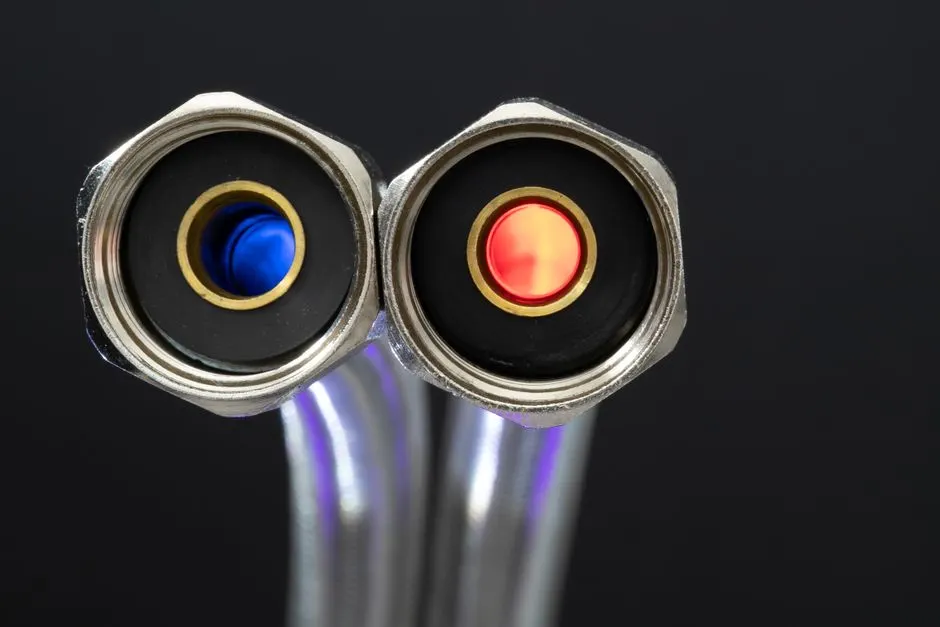
A hidden leak can run for months before you see a wet spot. Here is what you get when you bring in a crew that finds the source before the shovel comes out.
Stop the water bill bleed
A pinhole leak in a copper line can waste 10,000 gallons a month. We find it, fix it and verify the meter stops spinning before we leave, so your next bill reflects the repair, not the leak.
Minimal digging, minimal damage
Because we pinpoint with acoustic and thermal tools first, we open a small access area instead of trenching the whole yard. That means less concrete to patch, less landscaping to replace and a faster return to normal.
Protect your foundation
Water under a slab softens soil and can crack foundations over time. Catching a slab leak early in a Brea home saves you from a repair bill that runs into five figures. We flag foundation movement while we are on site.
Same-day answers, honest pricing
Most detection jobs take two to four hours and you get a clear price before we start. No mystery invoices, no pressure to buy work you do not need. If the leak is simple, we tell you.
Google ★★★★★4.9
Found a slab leak in our Brea home in under three hours. They marked the spot, showed us the thermal image and repaired it the same day. Clean work, fair price, no upselling.
Yelp ★★★★★4.8
Called about a water bill that doubled. They came out same day, ran acoustic gear and found a pinhole leak in the main. Repaired it and pressure tested before leaving. Highly recommend.
BBB ★★★★★4.9
Professional from the first call. Explained the process, gave a flat price and stuck to it. The irrigation leak in our yard was fixed in two hours with minimal digging. Will use again.
Google ★★★★★5.0
Emergency call on a Sunday for a burst line. They walked me through shutting off the main and were on site within the hour. Repaired the line and verified the meter. Saved us from major water damage.
Brea Leak Detection Pros has been locating and repairing underground leaks since 2011. Our technicians hold a California State Plumbing License and a C-36 Plumbing Contractor License, and we work to the Uniform Plumbing Code and California Building Standards Code on every job. We have run detection on slab leaks in La Floresta, irrigation breaks in Country Hills and water main leaks in Downtown Brea. The tools change, the soil changes, the pipes change. The method does not: find it first, then fix it.
Real experiences from customers who chose our Underground Leak Detection services.
“Our water bill doubled in one month and we could not find anything. Brea Leak Detection Pros came out the same day, ran acoustic gear across the slab and found a pinhole leak under the hallway. They opened a small section, repaired the copper and pressure tested it. Bill went back to normal the next cycle.”
Marisol R.
Homeowner, Downtown Brea
“We had a soggy patch in the backyard that kept getting bigger. Turned out to be an irrigation line break. The technician traced it with electronic gear, marked the spot and had it repaired in under two hours. No trenching the whole yard, just one small dig. Fair price too.”
Dan K.
Homeowner, Country Hills
“I manage several rentals in Brea and use these guys for every leak call. They show up when they say they will, find the leak fast and send a clear invoice. Last job was a slab leak in a duplex. Detected, repaired and verified in one day. That is rare.”
Priya S.
Property Manager, La Floresta
Real answers to the questions we hear most often from local homeowners and property managers.
Slab leaks are the most common underground leak we find in Brea. Warm spots on the floor, a spike in the water bill and the sound of running water with everything off all point to a line under the concrete. We pinpoint it with thermal imaging and repair it with minimal concrete removal.
View Slab Leak DetectionA pool losing an inch of water a day is usually leaking at a fitting, light niche or underground return line. We use pressure testing and dye testing to separate evaporation from a real leak, then trace the line to the break before we dig.
View Pool Leak DetectionNot every leak is underground. Supply lines in walls, under sinks and behind appliances leak too. We use moisture meters and thermal imaging to find hidden plumbing leaks fast, so you are not opening drywall chasing a stain.
View Plumbing Leak DetectionA gas smell near your meter or along a buried line is a call-now situation. We use tracer gas detectors and pressure testing to locate underground gas line leaks, then make the repair to code. If you smell gas, leave the building and call us from outside.
View Gas Leak DetectionAcoustic listening devices pick up the sound pressurized water makes as it escapes a pipe. It is the fastest, least invasive way to find a leak under a slab or lawn, and it is the first tool we reach for on most Brea jobs.
View Acoustic Leak DetectionA FLIR thermal imaging camera shows temperature differences on the surface above a leak. Warm water under a slab shows as a hot spot, cold water as a cool one. It is how we mark the exact spot before we open anything.
View Thermal Imaging Leak DetectionCall (657) 681-3703 any time, day or night. A live dispatcher answers, asks a few questions about what you are seeing or smelling, and gets a tech headed your way. Most Brea calls get a same-day window, and emergency calls roll 24/7. You can also email [email protected] and we will respond within one business hour during regular hours.
Phone
(657) 681-3703Address
200 Fig Ave, Brea, CA 92821, USA
Hours
Monday–Sunday: 7 Days a Week
Open 24 Hours
Same-Day Service
24/7 Emergency Available